
Video Poker Strategy Charts for Better Casino Game Discovery
A video poker strategy chart helps players make quicker decisions at full pay Jacks or Better, but choosing the right table starts with finding it in a well-organised lobby. The best results come from checking the paytable, game rules and available strategy information before placing a wager. For Australian adults, that means comparing the interface and game selection across operators such as the ignition casino reviews, then using the chart as a decision aid rather than a guarantee.
Finding Video Poker Games in the Casino Lobby
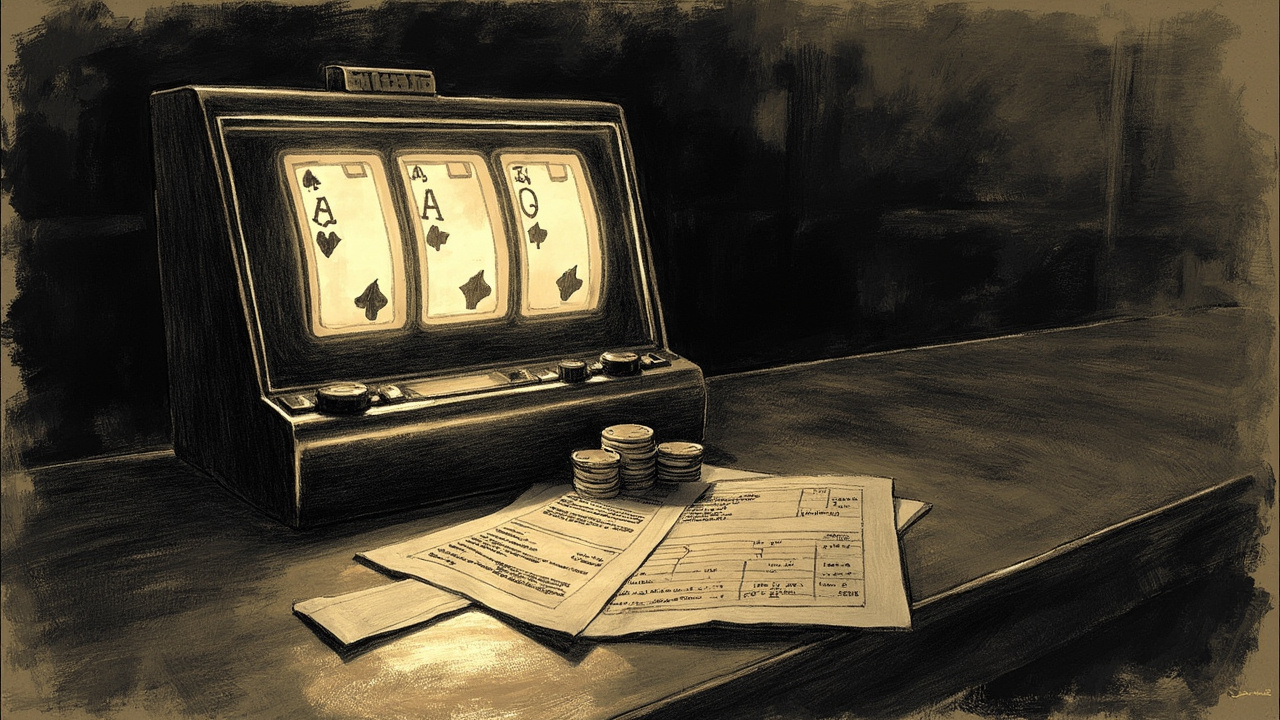
Start in the lobby and filter for video poker rather than browsing every game. A strong catalogue should separate Jacks or Better, Deuces Wild, Bonus Poker and other variants by rules, paytable and betting range. Search also matters: players should be able to type a game title and reach the correct table without passing through unrelated slots or live games.
The game mix should show more than one provider and enough table limits to suit both cautious bankroll sessions and experienced players. Look for clearly displayed denomination buttons, a visible paytable and an option to access strategy information before the first hand. A responsive mobile lobby is useful when playing at home, while live support should explain paytables or technical issues without leaving the player guessing.
After comparing operator lobby features and game discovery, this Jacks or Better strategy guide provides a practical starting point for understanding hand decisions. The useful workflow is simple: locate the correct game, confirm the paytable, check the strategy chart and only then select a stake.
Reading a Video Poker Strategy Chart
A chart is useful only when it matches the exact paytable. A strategy written for 9/6 Jacks or Better should not be applied to 8/5, and a shortened-paytable game needs different decisions. Begin by identifying the highest-paying hand, then locate the dealt hand on the chart and follow the prescribed draw, hold or discard instructions.
Charts generally divide the deck into rare made hands, strong draws and weaker holding combinations. You should already hold four cards to a royal flush, for example, but a three-card royal requires different treatment from four to an inside straight draw. The chart removes guesswork from combinations that many players mishandle, yet it cannot predict the next card.
| Chart situation | Practical decision |
|---|---|
| Four-card royal flush | Hold all four cards |
| Three-card royal flush | Hold the three royals |
| Four to an inside straight draw | Hold the four draw cards |
| Low pair without a strong draw | Compare the chart’s ranking before continuing |
| No qualifying hold | Discard according to the chart, not instinct |
Keep the chart beside the game and pause while reading it during a trial hand. If the lobby cannot display the paytable clearly, the strategy information may be buried just as deeply. A convenient hand-history or strategy panel can make the learning process much smoother.
Using Charts Without Chasing Losses
Charts can improve decision consistency, but they do not change the mathematics. Set a session limit in Australian dollars, choose a stake that allows enough hands to test the strategy, and avoid increasing bets because a losing streak feels due to turn. A chart cannot remove variance, guarantee returns or make a short-term result predictable.
Two mates discussing video poker over flat whites in Newcastle make the point well.
“Does the chart tell you what to hold?” one asks.
“It tells you what to hold for that paytable,” his mate replies. “It doesn’t tell you when to stop chasing a bad session.”
That is the sensible judgement call. After 20 years advising commercial gaming businesses, I treat consistency as more useful than superstition. An operator may use data analytics to identify potential problem gamblers from betting patterns, which makes personal limits and regular reality checks particularly important.
Player labels also need context. “Whales,” “high rollers,” “grinders” and “tourists” describe different behaviours, not different levels of skill. A tourist may play briefly, while a grinder repeatedly tests paytables and strategy. Casino chip collecting, or casinochipophily, is a recognised hobby with dedicated clubs, but collecting chips should never become a reason to keep playing.
Judgement Calls and Player Support
A useful casino experience combines a searchable catalogue with responsible account controls. Registration should be straightforward, with age and identity verification completed before depositing. Payment options may include Australian dollars and cards, wallets or bank transfers, subject to verification and availability. Mobile access should preserve the paytable and strategy chart rather than hiding essential rules behind a small screen.
Support should be available through live chat, and loyalty rewards should be transparent about wagering requirements. A bonus may include a deposit match and cashback, but promotional credits should not distract from the underlying game economics. Players should check expiry, maximum bet and withdrawal conditions before accepting.
The catalogue should also include slots, table games and live content for players who want variety, without allowing those sections to crowd out video poker. Providers should be identifiable, and filters should reflect game type, volatility and feature where applicable. Samuel Smith, Head of Operator Partnerships, Capital Territory Gaming Forum, offers a concise caveat: “A clear game lobby is important, but players still need to understand the paytable before they trust any strategy.”
Georgia Murphy, Head of Live Casino, Outback Gaming Research, similarly emphasises practical transparency: “If the rules and limits are visible before play begins, players can make more informed decisions and manage their session with greater confidence.”
Used properly, a video poker strategy chart turns complex hand decisions into a repeatable process. Find the game through a clear lobby, match the chart to the paytable, apply the recommendations and keep firm limits. The chart supports judgement; it does not replace it.