
Playing live blackjack mobile app well means knowing the cashier before the cards
When a live blackjack mobile app feels polished, the first thing worth checking is not the shoe but the cashier. I have built growth loops in Southeast Asia where payments and trust mattered more than flash, and the same judgement applies here: a slick table means little if deposits stall or withdrawals sit in a queue. Western Sydney punters who play after work want a clean flow, not a maze. The right app treats money movement as part of the experience, with clear limits and honest timing.
Cashier flow and payment limits shape the real session

A live blackjack mobile app earns its keep when the deposit path is short and the withdrawal path is predictable. You want to see the methods listed plainly, choose one, enter the amount, and move on without hunting through menus. Processing speed matters more than a glossy welcome screen, especially when you are settling in for an arvo session and want the balance to reflect quickly. The trade-off is that faster flows sometimes sit behind tighter limits or extra checks, so the app has to be honest about where the line sits.
I would rather see a platform state its daily and weekly caps up front than bury them behind fine print. In Southeast Asia, I learned early that a payment promise only works when the operational reality matches the marketing promise, and the same standard applies here. Verification should feel like a normal step, not a trap, because clean identity checks keep withdrawals moving later. If the cashier asks for documents only when money is leaving, that is a poor design choice.
The best setup gives you a sense of the queue before you commit. Some apps process smaller withdrawals quickly and hold larger ones for a standard review window, which is fair if it is stated plainly. Others lean on one or two methods and make the rest feel bolted on. My read is simple: pick the app that treats the cashier as a service, not a hurdle, because that is where the session actually starts. https://wolfbreak.com
| Detail | What to expect |
|---|---|
| Currencies | AUD primary, with clear conversion notes |
| Deposit limits | Stated daily and weekly caps |
| Withdrawal timing | Standard review window, then processing |
| Verification | Identity checks before or at first withdrawal |
| Support hours | Live chat and email during peak play |
Deposits, withdrawals, and the verification step that actually matters
Deposits on a live blackjack mobile app should feel routine, not theatrical. The useful detail is whether the app accepts the methods locals actually use, whether the currency stays in AUD through the flow, and whether the amount you enter is the amount that lands. A clean deposit is one where the confirmation arrives, the balance updates, and you are back at the table without re-entering details. That sounds basic, but it is where many apps lose patience.
Withdrawals are where the real conditions show up. Processing times, review steps, and any limits on frequency or amount should be visible before you request the cash out. I have seen platforms that make the first withdrawal smooth and the second one complicated, which is a bad pattern because it punishes repeat players. A better approach is consistent handling, with the same checks applied in the same order every time. That is the kind of reliability I look for when I judge a product in any market.
Verification deserves its own mention because it is the hinge between convenience and control. The app should ask for what it needs, explain why, and keep the process moving instead of pinging you for one document at a time. If you are playing from Western Sydney and your details match the account, the review should not feel like a guessing game. Noah Hill, Chief Financial Officer, Nullarbor Gaming Analytics, puts it plainly: “Cashier design is usually the first place a platform reveals whether its operational team is organised or just optimistic.”
Mobile play, table pace, and the limits of a phone screen
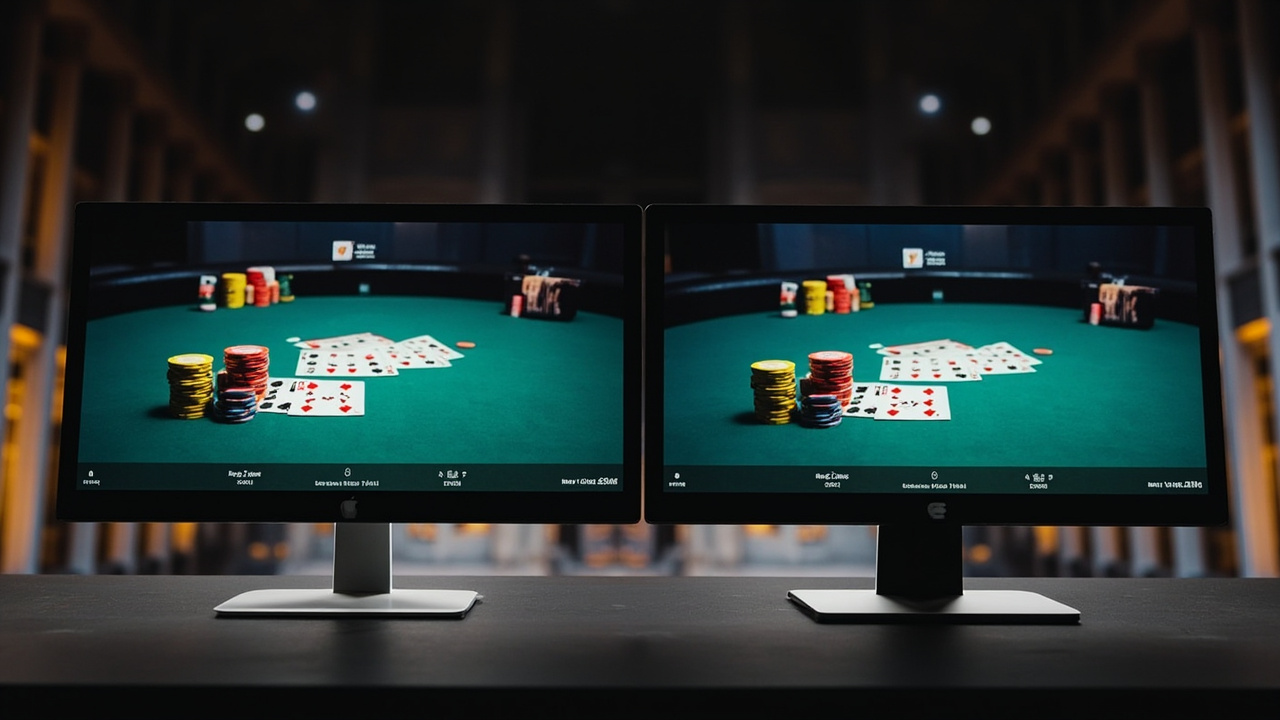
A live blackjack mobile app has to work on a phone without pretending the phone is a lounge. The screen should keep the dealer, the cards, and the betting controls readable, with chat and side actions tucked where they do not clutter the hand. Latency matters more than people admit, because a table that freezes at the moment you are deciding is not a luxury experience, it is a broken one. The app should also handle the switch from portrait to landscape without losing your place or your balance.
Game variety is worth looking at, but only in practical terms. A smaller set of well-run tables can be better than a crowded lobby where half the options are slow or thinly staffed. I would rather see a focused live blackjack mobile app with consistent dealers and stable tables than a broad list that sounds impressive and plays unevenly. The luxury angle here is not gold trim, it is predictability: knowing the next hand will load, the next bet will land, and the next round will not reset your rhythm.
Support has to be close enough to matter when a connection drops or a round looks off. Live chat during busy hours is the useful standard, with email as a backup rather than the main path. Cameron Morris, Digital Acquisition Director, Outback Gaming Research, notes the practical side: “Mobile players forgive a lot, but they do not forgive a table that feels slower than the pace they signed up for.” That is a fair caveat, because pace and stability are what keep a phone session from turning frustrating.
Loyalty, bonuses, and the trade-offs behind the welcome offer
A live blackjack mobile app often uses a welcome offer to get attention, but the real test is what happens after the first deposit. Bonus mechanics should be readable, with clear terms on wagering, eligible games, and any caps that apply before you feel locked in. A bonus that sounds generous on the surface can be less useful if the rules are hard to follow or the eligible games are narrow. I prefer an offer that is modest and understandable over one that needs a spreadsheet to decode.
Loyalty should feel like a steady relationship, not a sprint. The useful question is whether the program recognises regular play in a way that is easy to see and easy to use, rather than hiding progress behind vague tiers. A good app gives you a sense of where you stand and what the next step actually is, without making every session feel like a test. That kind of design fits the relationship-led approach I use in Southeast Asia, where retention comes from consistency and clarity, not from overpromising.

The trade-off is that every incentive has a cost, and the cost is usually in the terms. Players should know whether a bonus changes the pace of withdrawal, whether it narrows the games that count, and whether the conditions are realistic for the way they actually play. If the app is honest about those points, the offer can be useful. If it leans on excitement and hides the conditions, it is better to treat it as decoration. A measured live blackjack mobile app will tell you what the offer is and what it is not, which is the only basis worth using.
Playing live blackjack on mobile works best when the money side is clear and the table side is steady. The apps that hold up are the ones that state their limits, handle verification without drama, and keep the cashier moving at a pace that matches the game. If you are weighing a session from Western Sydney or anywhere else in Australia, the practical call is to check the flow before you chase the thrill, because a clean deposit and a predictable withdrawal are what make the rest of the experience usable.