
Tumble Feature Slots Explained for Australian Players
The Gold Coast surf rolls in late on a Tuesday arvo, and the pokies floor at a local club is already humming. I have spent eight years building and launching digital gambling products across Web3 and iGaming, and I have seen the same player habit repeat everywhere: people want mechanics that keep the screen active without asking them to tap every second. That is exactly where the tumble feature earns its keep.
How tumbling reels actually work
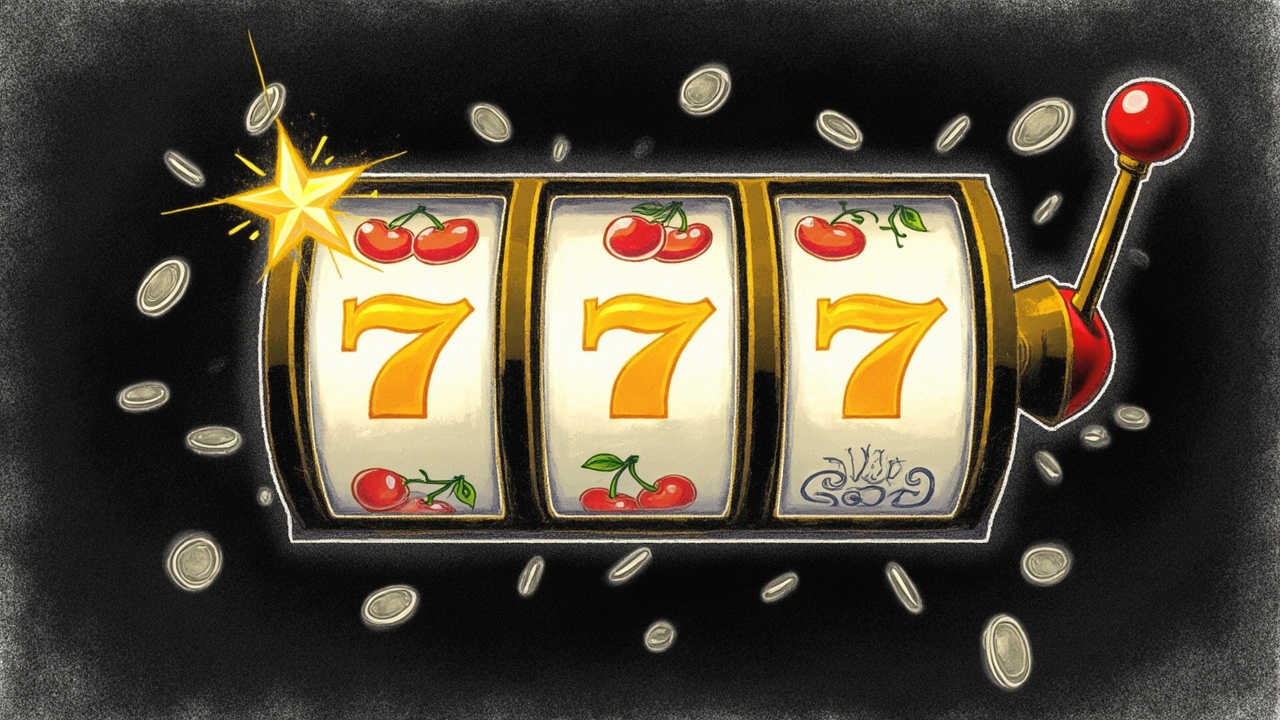
A tumble feature, sometimes called cascading reels, removes a winning symbol cluster and lets the symbols above drop down to fill the empty spaces, often triggering new wins from the same spin. The loop repeats until no fresh match lands, and the total payout stacks across those consecutive drops. In practice, the feature works best when the grid is tight and the symbol set is readable, because a cluttered layout makes chained wins hard to track on a small screen. I have reviewed product builds where the drop animation ran fine on desktop but felt sluggish on mid-range phones, and that is the kind of friction that costs engagement. A well-tuned tumble sequence keeps the pace brisk, shows each new match clearly, and avoids overlapping text that forces you to squint. For Australian players who often play on the couch or between errands, that clarity matters more than flashy particle effects. If you want a straight comparison of how tumbling mechanics behave in real sessions, you can read this guide to tumbling reels for Australian players before you commit any time to a new title.
Where the feature shows up in real games
Tumble mechanics tend to appear in cluster-pay and grid-based pokies rather than the old-school three-reel fruit machines, and the feature usually sits inside a base game that rewards consecutive drops rather than a single line hit. I have worked on go-to-market plans where the marketing angle leaned too hard on the feature alone, and players quickly lost interest once the base game felt thin. A stronger setup pairs the tumble loop with a modest multiplier that grows slightly with each cascade, or with a separate bonus trigger that gives the feature room to breathe. Providers usually position these titles as high-frequency entertainment rather than high-variance hunters, and that positioning tends to suit casual sessions better than bankroll-heavy chasing. The feature itself does not replace a solid paytable, and it does not make a weak game interesting, so the smart move is to look at the whole loop: symbol density, hit frequency, and how often the cascade actually resets the grid. A casino that stocks these titles with clear paytables and readable icons is easier to trust than one that buries the rules behind a dozen menus. If you are comparing operators, you can check club house casino for how they present tumble titles and whether the game lobby makes the mechanics easy to spot before you deposit. club house casino
Mobile experience and session usability
On mobile, the tumble feature has to survive the real world: spotty Wi-Fi at a café, a cracked screen, one hand on the train, and a session that starts in the morning and ends by the arvo. I have seen product teams chase desktop-first animations that never translated cleanly to a phone, and the result was a feature that felt laggy and visually crowded. A mobile-friendly tumble title should keep the grid centred, use touch targets that do not overlap the win text, and load fast enough that the cascade feels instant rather than staged. Responsiveness is not just about fitting the screen; it is about keeping the game readable when you are rotating the device or switching between apps. Navigation matters too, because a casino app that makes it hard to find the paytable or the bonus rules will frustrate players before they ever understand the feature. Performance is the quiet part of the review: if the animations stutter or the spin-to-spin transition feels heavy, the feature loses its appeal even if the maths is fine. A mobile-first operator will usually present the same title cleanly in-browser and in-app, with consistent controls and a layout that does not force you to pinch and zoom just to see the grid.
Bonus mechanics, payments and support
Tumble features often sit inside bonus buys, free-spin rounds, or sticky-win modifiers, but the exact behaviour changes from title to title, so the rule is to read the bonus screen before you assume the feature behaves the same way everywhere. In some games the cascade multiplier only applies inside the bonus, while in others the base game keeps the loop modest and reserves the bigger builds for the feature round. I have reviewed bonus structures that looked exciting on paper but punished casual players with tight wagering and slow withdrawal paths, and that is the kind of setup that turns a fun mechanic into a frustrating one. Payments and currencies should be presented plainly, with limits and processing times stated in plain language rather than hidden behind marketing copy. Registration should be straightforward, support should answer real questions instead of generic scripts, and loyalty should reward play without making the terms feel like a trap. None of this makes the game itself better, but it does shape whether the session feels controlled or messy. A decent operator will keep the bonus mechanics transparent, let you see the feature rules before you commit, and make support easy to reach when a payment or account question comes up.
A tumble feature is a cascade loop that clears winning symbols and drops new ones into place, often building wins across a single spin. It suits players who enjoy frequent action and readable grids more than those chasing rare big hits. The feature works best when the title is tuned for mobile clarity, the bonus rules are transparent, and the operator presents the game without burying the mechanics. If you like steady screen activity and can accept that the feature is a pacing tool rather than a guaranteed edge, tumble slots can fit a casual Australian session well.
- Cascade: another name for the tumble drop effect where winning symbols are removed and remaining symbols fall into new positions.
- Cluster pay: a payout model that rewards grouped symbols rather than traditional paylines.
- Multiplier: a factor that increases the value of a win, sometimes applied per tumble cascade.
- Base game: the main play mode before any bonus round is triggered. Desugami
- Bonus buy: a paid option that lets a player enter a bonus feature directly, where allowed.